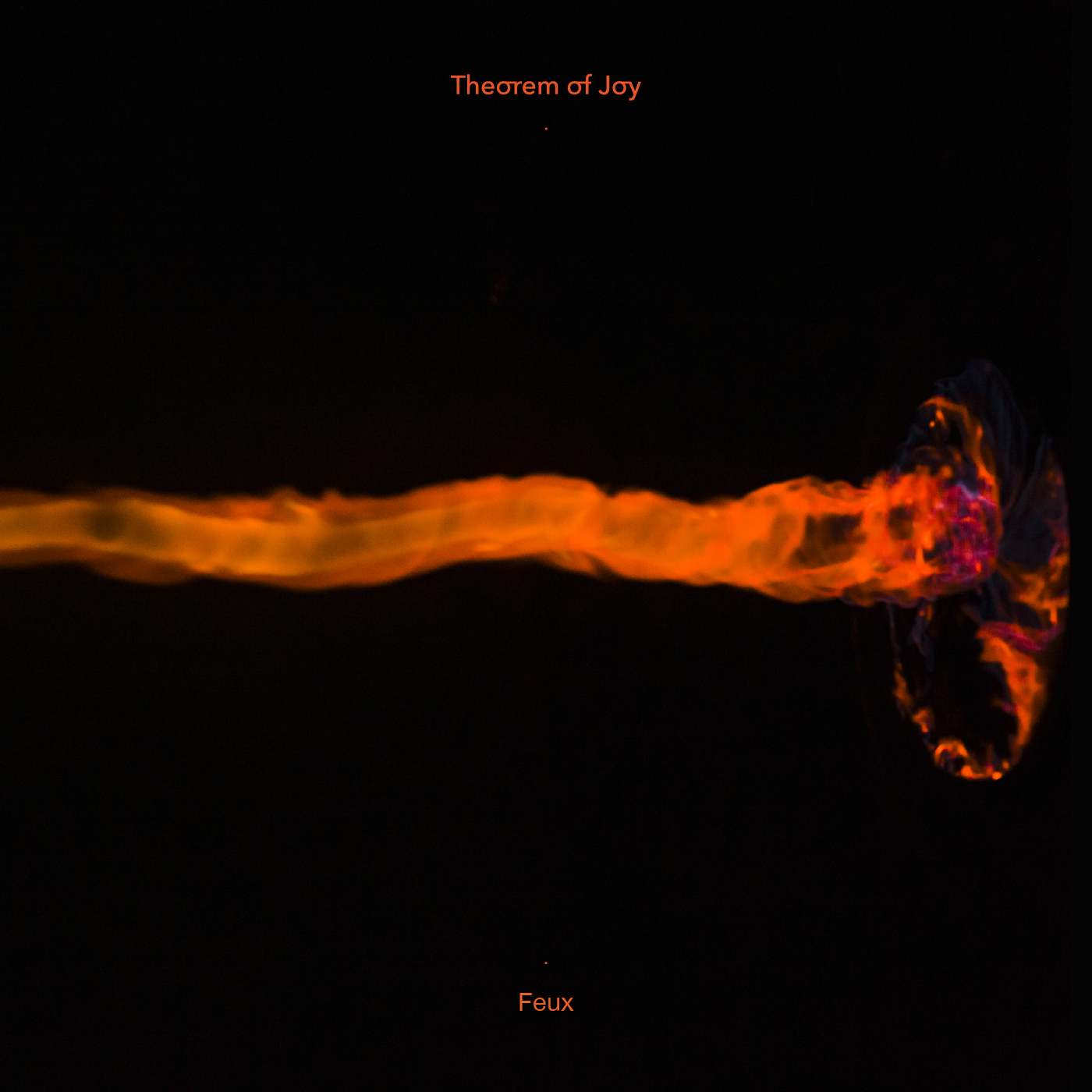
Ideal Robots unfolds at a measured pace, built around a downtempo jazz foundation that leaves plenty of space for detail. The double bass anchors the piece while soft percussion and restrained harmony create a drifting backdrop. Over this, the vocal moves fluidly between melody, spoken word, and rhythmic phrasing, sometimes edging towards a konnakol like flow.
The track carries a quiet tension. Haunting melodic lines surface and recede, giving the music a sense of movement without urgency. The arrangement feels carefully balanced, with textures layered just enough to deepen the atmosphere rather than overwhelm it.
Conceptually, Ideal Robots frames a dystopian setting shaped by automation and control, but the music avoids bleakness. There is warmth in the performance and a subtle sense of hope in the way the harmonies resolve. It feels reflective rather than dramatic, inviting the listener to sit with the ideas rather than be pushed by them.
Led by double bassist and composer Thomas Julienne, Theorem of Joy continue to blur boundaries between jazz, post rock, and experimental music. Ideal Robots highlights their interest in narrative and mood, using sound as a way to explore imagined futures through restraint, texture, and carefully shaped performance.