Hidden Orchestra: Night Walks, Archipelago and the Sound of an Imagined Ensemble
Joe Acheson turns individually recorded musicians, environmental sound and electronic composition into an unusually vivid, rhythmically intricate listening world.

Frequency State / In-depth reading
Longer reads on electronic music and the people, recordings and technology behind it. Explore artist histories, influential albums, studio experimentation and the ideas that continue to shape electronic sound.
Start reading
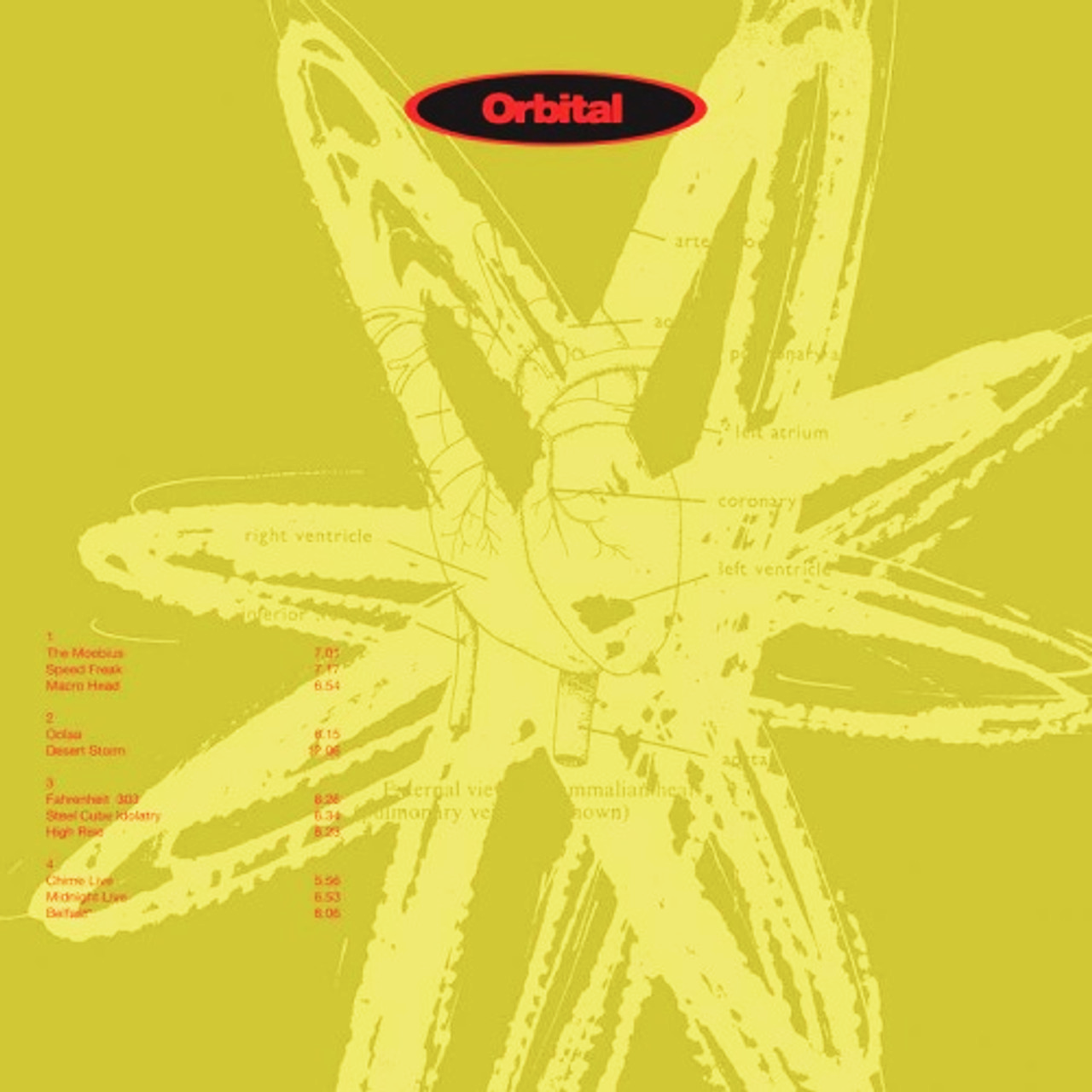 Artist discographyOrbital: Ten Studio Albums, in Chronological Order →Follow the Hartnoll brothers' albums from their early releases through to Optical Delusion.
 Music & technologyThe KLF and the Evolution of Sampling →A closer look at sampling as a creative force in electronic music.
The features archive
Browse the latest features below. This archive updates automatically as new articles are published.
Joe Acheson turns individually recorded musicians, environmental sound and electronic composition into an unusually vivid, rhythmically intricate listening world.
Alan Myson's recordings move from bass-heavy rhythmic experiments to vast, detailed constructions of distortion, acoustic colour and carefully controlled silence.
Ulrich Schnauss combines shimmering synthesis, patient beats and shoegaze-derived harmonies into records whose emotional intensity grows through layering rather than spectacle.
Frank Zappa's recordings connect rock satire, jazz composition, tape editing and later digital synthesis into a continually changing exploration of musical form.
New Order moved from the aftermath of Joy Division towards a distinctive synthesis of post-punk, club rhythm, melodic bass and electronic sequencing.
Alison Goldfrapp and Will Gregory developed a series of sharply contrasting electronic albums, moving from cinematic, atmospheric songs to glam-inflected dance-pop and acoustic intimacy.
Richard Melville Hall moved between rave, punk, ambient composition and sample-based songs, creating one of electronic music’s most widely heard albums in Play.
Svein Berge and Torbjørn Brundtland combine accessible melodies, unusually vivid synthesiser timbres and a sustained interest in the emotional possibilities of electronic arrangements.
Jon Hopkins brings detailed electronic sound design together with piano, physical rhythmic force and long-form listening, from Insides to Music for Psychedelic Therapy.
Thomas Bangalter and Guy-Manuel de Homem-Christo brought French house into popular culture by continually changing the relationship between machines, memory and songwriting.