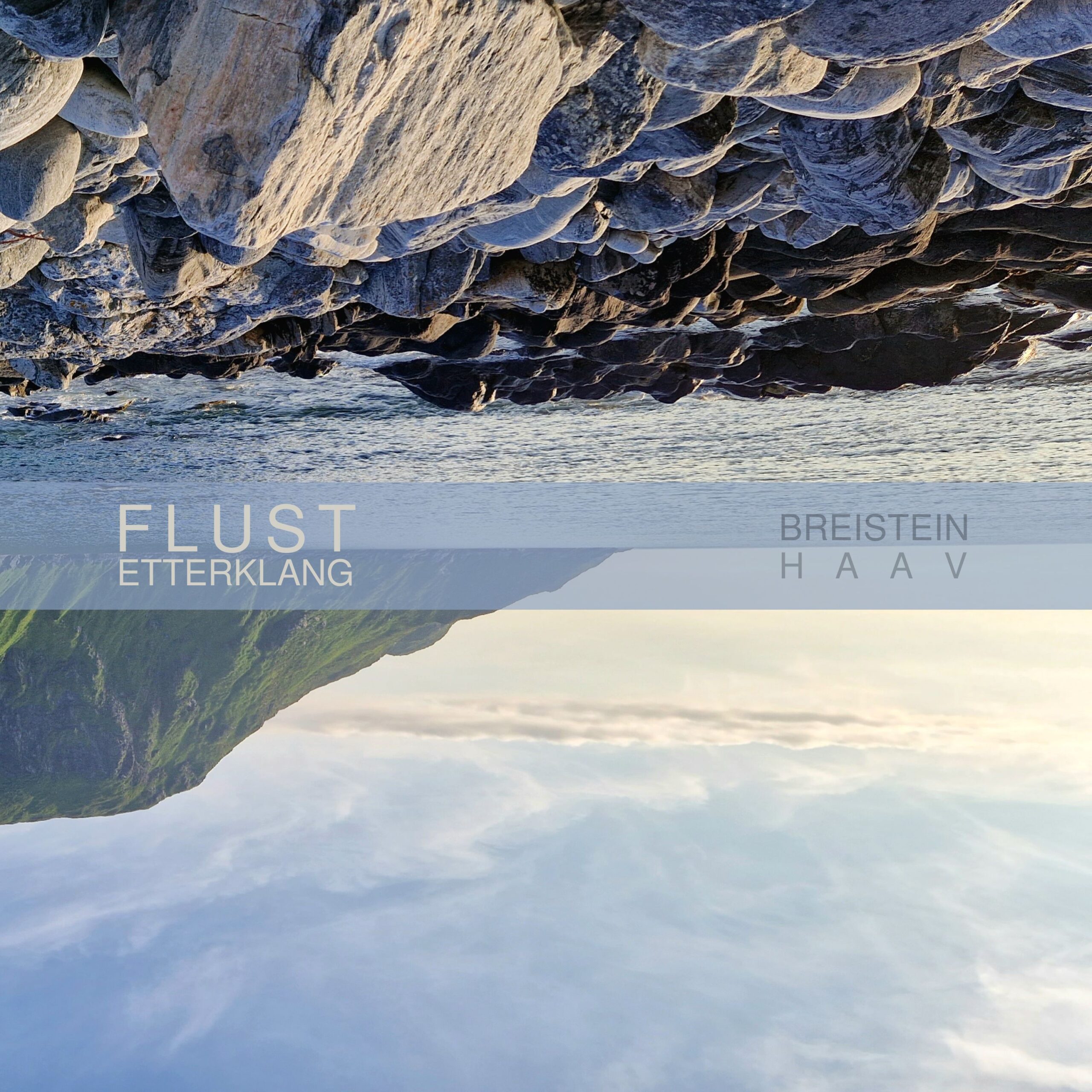
“Flust Etterklang” emerges as a collaborative venture between HAAV and Inge Weatherhead Breistein, transforming the contemplative beauty of Breistein’s original track “Flust” into an expansive and atmospheric rework. This piece invites listeners into a world of lovely atmospheric vibes, adorned with warm pads, delicate saxophone melodies, and a unique blend of field recordings that shape a captivating sonic landscape.
Breistein’s original track, part of his album “Skogskammer” released earlier this year, serves as the foundation for “Flust Etterklang.” The rework, crafted by HAAV, takes the contemplative layers of manipulated saxophone phrases and modular synth from the original and propels them into an evolving atmospheric soundscape. The addition of slowed-down field recordings from metallic sculptures and local coastal surroundings enriches the piece, providing a nuanced and textured listening experience.HAAV, known for an open-minded approach to music, excels in sampling and experimental sound design. The debut single “Nord” showcased the artist’s ability to morph a looped piano recording into an ethereal soundscape. In the broader context of the album “Flyt” (Norwegian for flux, flow, or float), HAAV takes a more unconventional approach, basing compositions solely on water-derived sound sources. Dripping and running water, snow and ice become the raw material, often heavily manipulated into unrecognizable textures that range from dark and mysterious to bright and playful.”Flyt” defies easy categorization, touching upon experimental electronic, musique concrète, sound art, trip-hop, IDM, ambient, drone, and soundscapes. Much like water, the music flows through a spectrum of emotions and textures, making it an immersive and genre-blurring experience. The album cover, a painting by visual artist Linda Øgaard, further enhances the connection between visual and auditory art.