One of the first decisions that shapes a release is format.
Digital is assumed. Physical formats are often treated as optional extras, or as symbols of legitimacy rather than practical choices. In reality, format decisions affect timelines, costs, promotion, and expectations far more than many artists realise.
Choosing formats early helps avoid confusion later.
Digital as the baseline, not the strategy
For most independent artists, digital release is the default.
Streaming platforms provide access, convenience, and discoverability, but they do not define the meaning of a release. Digital distribution is a delivery mechanism, not a statement of intent.
Because digital feels simple, it is often treated casually. This can lead to underprepared releases that rely too heavily on platforms to do the work.
Digital still benefits from planning, context, and follow-up. See: how music releases actually work now
Why physical formats still matter
Physical formats persist because they serve a different purpose.
They create focus. They invite commitment. They give listeners a reason to slow down and engage more deliberately with the music.
For niche electronic and experimental music, physical releases often make more sense than they appear to at first glance. The audience may be small, but it is often willing to support work it values.
The key is scale.
When cassette makes sense
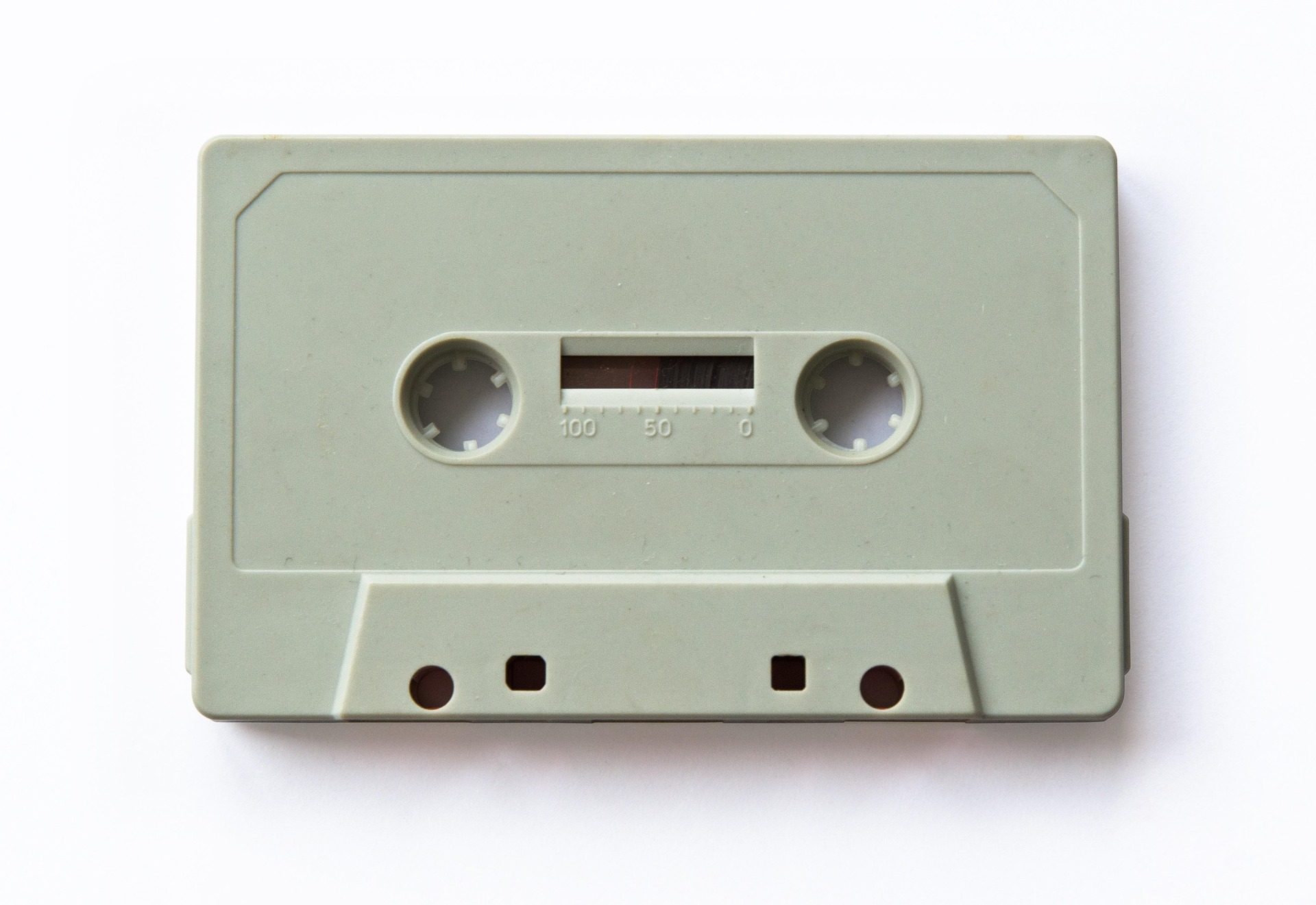
Cassette remains popular because it is relatively accessible.
Small runs are affordable. Turnaround times are manageable. Packaging can be simple or expressive. For many artists, cassette is a low-risk way to explore physical releases without overcommitting.
Cassette works particularly well for:
- limited editions
- ambient or experimental releases
- projects aimed at a dedicated audience
- releases tied to live events or launches
It is less about mass distribution and more about connection.
Vinyl as a commitment, not an accessory
Vinyl requires a different mindset.
Costs are higher. Timelines are longer. Mistakes are harder to undo. For that reason, vinyl works best when the music and the audience are already aligned.
Vinyl makes sense when:
- the release has long-term value
- the album is designed as a complete work
- there is confidence in demand, even at a small scale
- the release can absorb delays
Vinyl should rarely be an afterthought. It works best when it shapes the release plan from the start.
Combining formats without overcomplicating things
Releasing across multiple formats can work well, but only if it is planned.
A common mistake is treating physical formats as add-ons late in the process. This often leads to mismatched timelines and rushed decisions.
A more sustainable approach is to decide which format leads the release and which supports it. Digital may arrive first, with physical following later. Or a physical launch may anchor the campaign, with digital supporting it.
Clarity matters more than simultaneity.
This becomes much easier when the release is planned as a whole rather than assembled in stages. See: planning a music release backwards
Format decisions affect everything else
Once formats are chosen, many other decisions fall into place.
Artwork specifications change. Mastering requirements differ. Promotional language shifts. Timelines stretch or compress.
This is why format decisions belong early in the planning process rather than being left until the end.
It also connects directly to how many releases you are managing within a cycle. See: how many singles should you release before an album
Matching format to intent
Not every release needs a physical format. Not every project benefits from vinyl. Choosing restraint can be a strength.
The most effective releases tend to match format to intent rather than ambition. A small, focused release that feels appropriate often has more impact than an overstretched one trying to signal importance.
Keeping the process manageable is part of this. See: the minimum assets you actually need for a music release and How to Promote a Music Release.
If you want a simple structure for this
If format decisions have felt unclear, I’ve put together a short guide that walks through planning, assets, and how to structure a release without overcomplicating it.
You can get the guide below.
Where this leads next
Once formats are defined, the next step is deciding what actually needs preparing.
In the next article, I’ll look at the assets most releases genuinely need, and how to avoid overproducing things that do not meaningfully support the music.
Format is not about prestige. It is about alignment.