Introduction
Audio can be represented in two main forms: analogue and digital.
Analogue audio is a continuous representation of sound, while digital audio represents sound as numerical data.
Understanding the difference is important for recording, production, and playback.
Analogue Audio
Analogue audio represents sound as a continuous signal.
This signal directly follows the shape of the original sound wave.
Examples of analogue audio include:
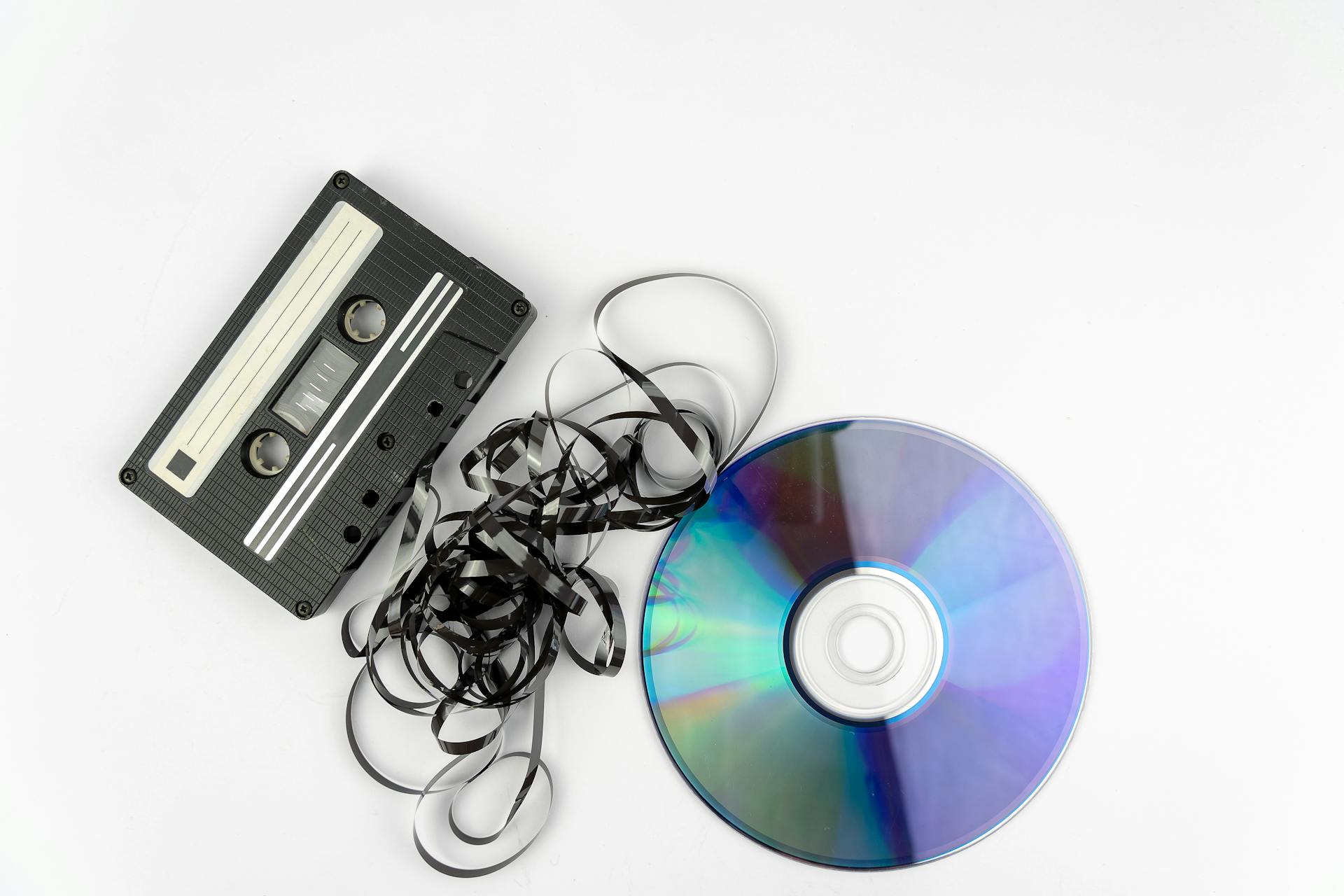
- vinyl records
- cassette tapes
- analogue synthesizers
- electrical signals from microphones
Because it is continuous, analogue audio can capture very subtle variations in sound.
Digital Audio
Digital audio represents sound as discrete data.
The sound is measured at regular intervals (sampling) and stored as numbers.
Key concepts include:
- sample rate — how often the sound is measured
- bit depth — how accurately each measurement is stored
Digital audio is used in:
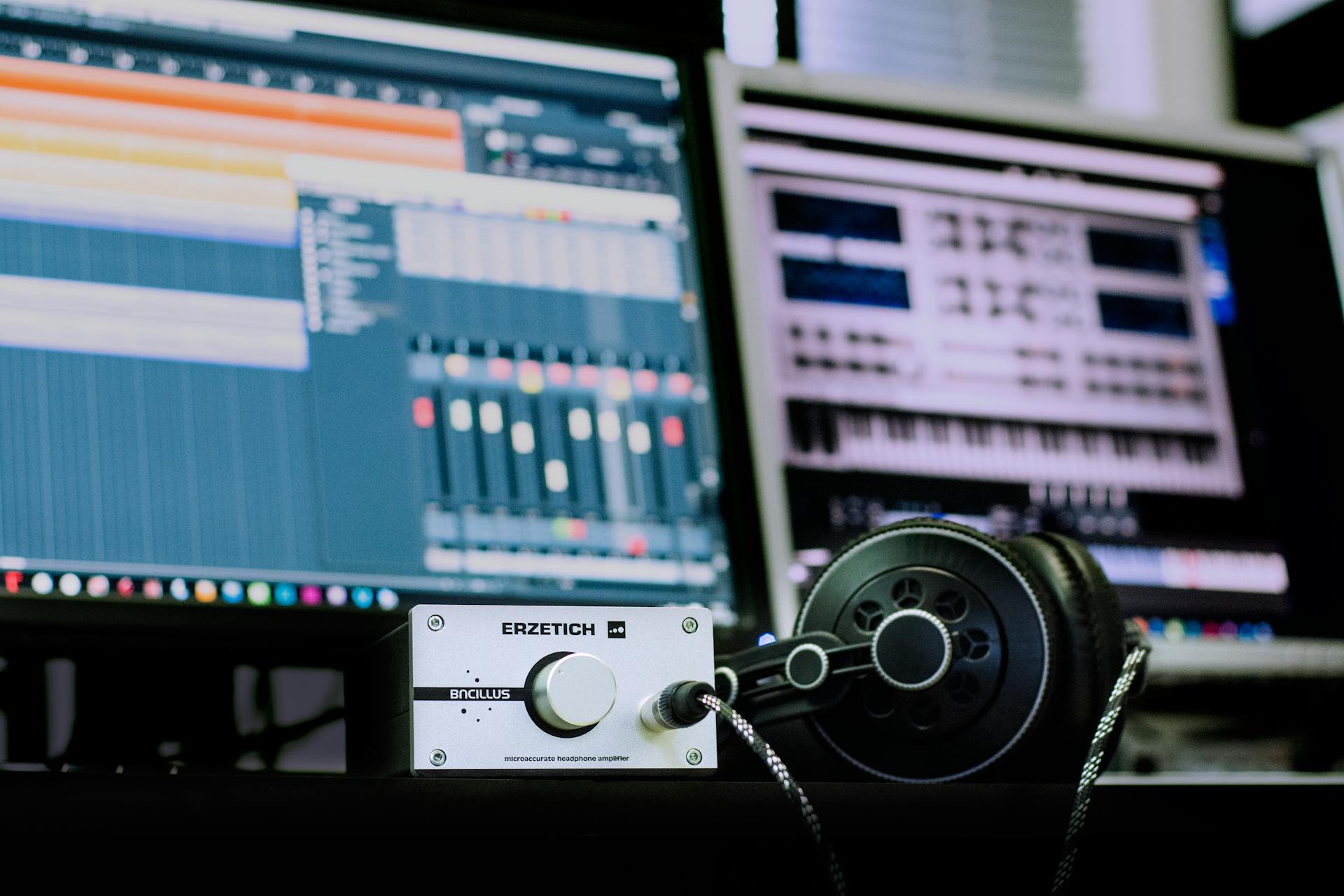
- DAWs
- streaming platforms
- digital recording systems
Key Differences
Continuous vs Discrete
- analogue → continuous signal
- digital → sampled data
Noise and Accuracy
- analogue → can introduce noise and degradation
- digital → more precise, but limited by resolution
Editing and Flexibility
- analogue → difficult to edit
- digital → easy to edit, copy, and manipulate
Storage and Distribution
- analogue → physical formats
- digital → files and streaming
Conversion Between Analogue and Digital
In music production, sound often moves between analogue and digital forms.
- ADC (Analogue to Digital Conversion)
converts sound into digital data - DAC (Digital to Analogue Conversion)
converts digital data back into sound
This happens whenever you:
- record audio into a DAW
- play audio through speakers or headphones
Digital vs Analogue in Practice
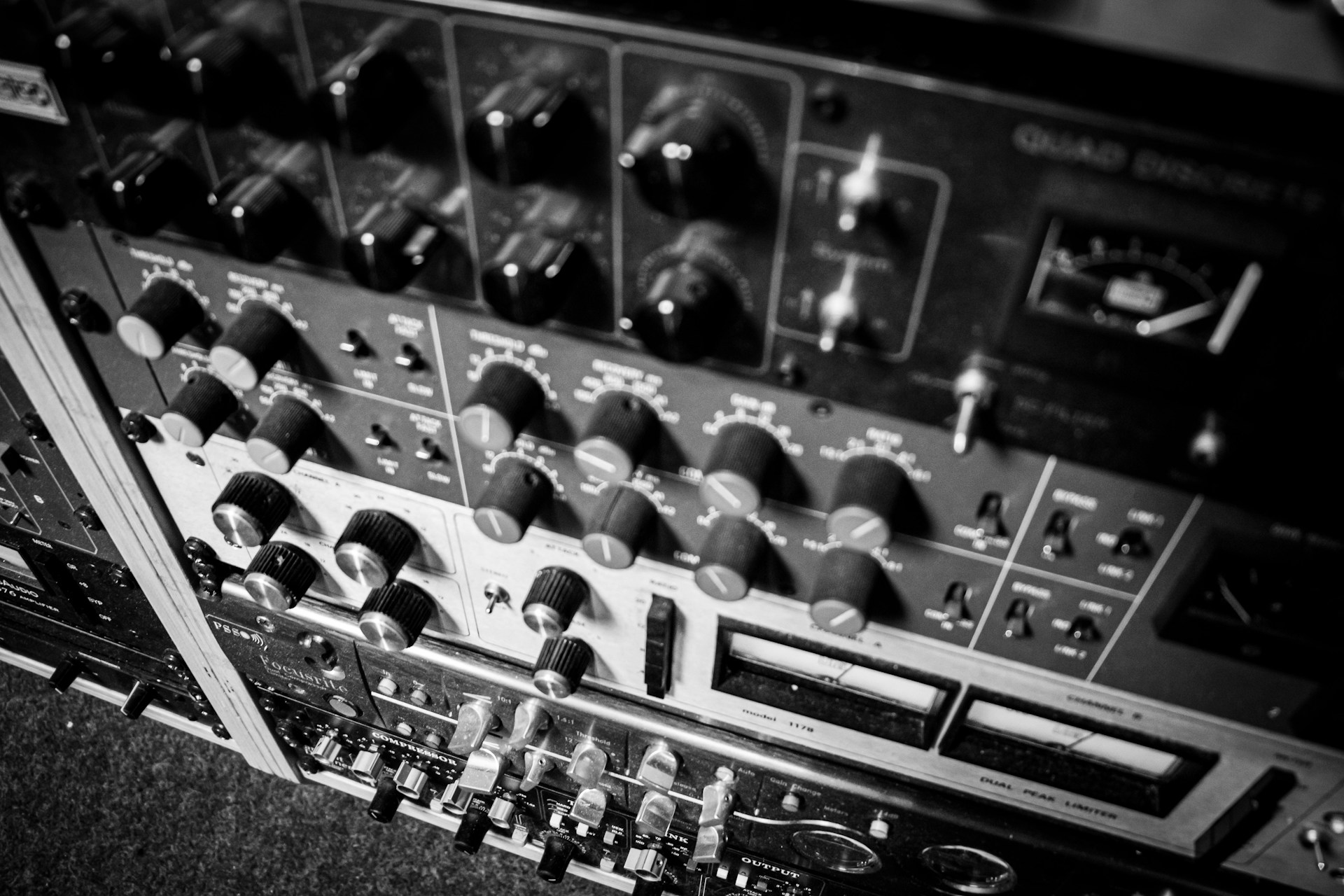
Most modern production is digital, but analogue equipment is still used for:
- character and tone
- saturation and distortion
- hands-on control
Many workflows combine both:
- record digitally
- process with analogue gear
- mix and edit in a DAW
Why This Matters
Understanding analogue and digital audio helps you:
- choose appropriate tools
- understand recording quality
- manage signal flow
- make informed production decisions
Related Topics
- What is Sound?
- Frequency, Amplitude and Waveforms
- The Decibel Explained
- What is a DAW?
- What is MIDI?
This article is part of the Music Production Reference Library, organised into volumes covering sound, theory, production, and release.