Orbital’s studio discography runs from the duo’s self-titled debut in 1991 to Optical Delusion in 2023. Brothers Paul and Phil Hartnoll have worked across melodic techno, ambient electronics, breakbeats and more exploratory forms, often stretching individual ideas into long, evolving arrangements.
This chronological guide covers the ten main studio albums. It separates them from live recordings, compilations, expanded reissues, soundtracks and EPs, which can otherwise make an Orbital album list confusing.
Orbital studio albums in order
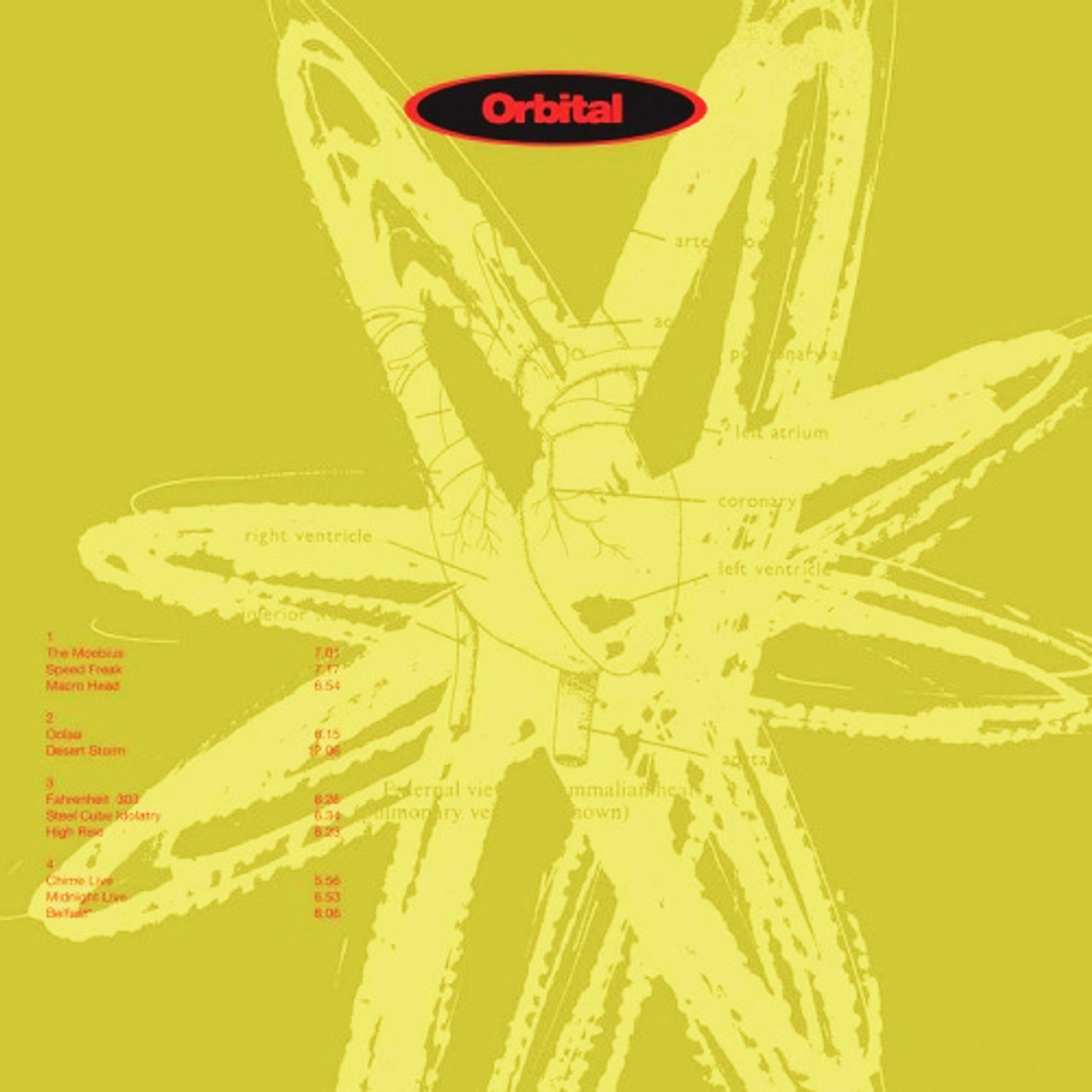
- 1991: Orbital (The Green Album)
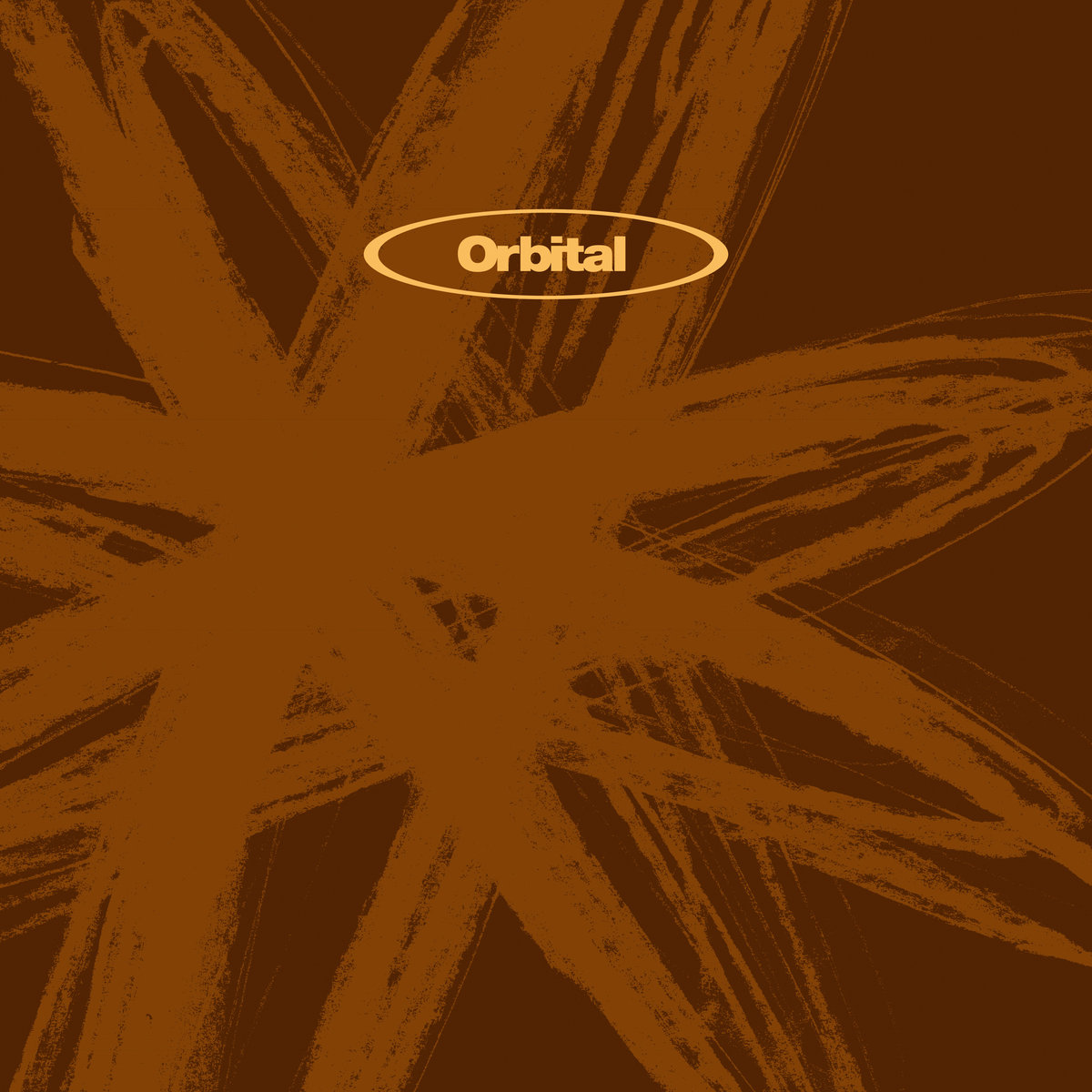
- 1993: Orbital 2 (The Brown Album)
- 1994: Snivilisation
- 1996: In Sides
- 1999: The Middle of Nowhere
- 2001: The Altogether
- 2004: Blue Album
- 2012: Wonky
- 2018: Monsters Exist
- 2023: Optical Delusion
The albums: a brief guide
1991: Orbital (The Green Album)

Orbital’s debut gathers the early singles and the duo’s formative blend of rave rhythms, melodic techno and atmospheric passages. Chime and Belfast remain useful entry points into this period.
1993: Orbital 2 (The Brown Album)

The second self-titled album develops longer arrangements and more fluid transitions. Lush 3, Impact (The Earth Is Burning) and Halcyon + On + On show different sides of its melodic and rhythmic approach.
1994: Snivilisation

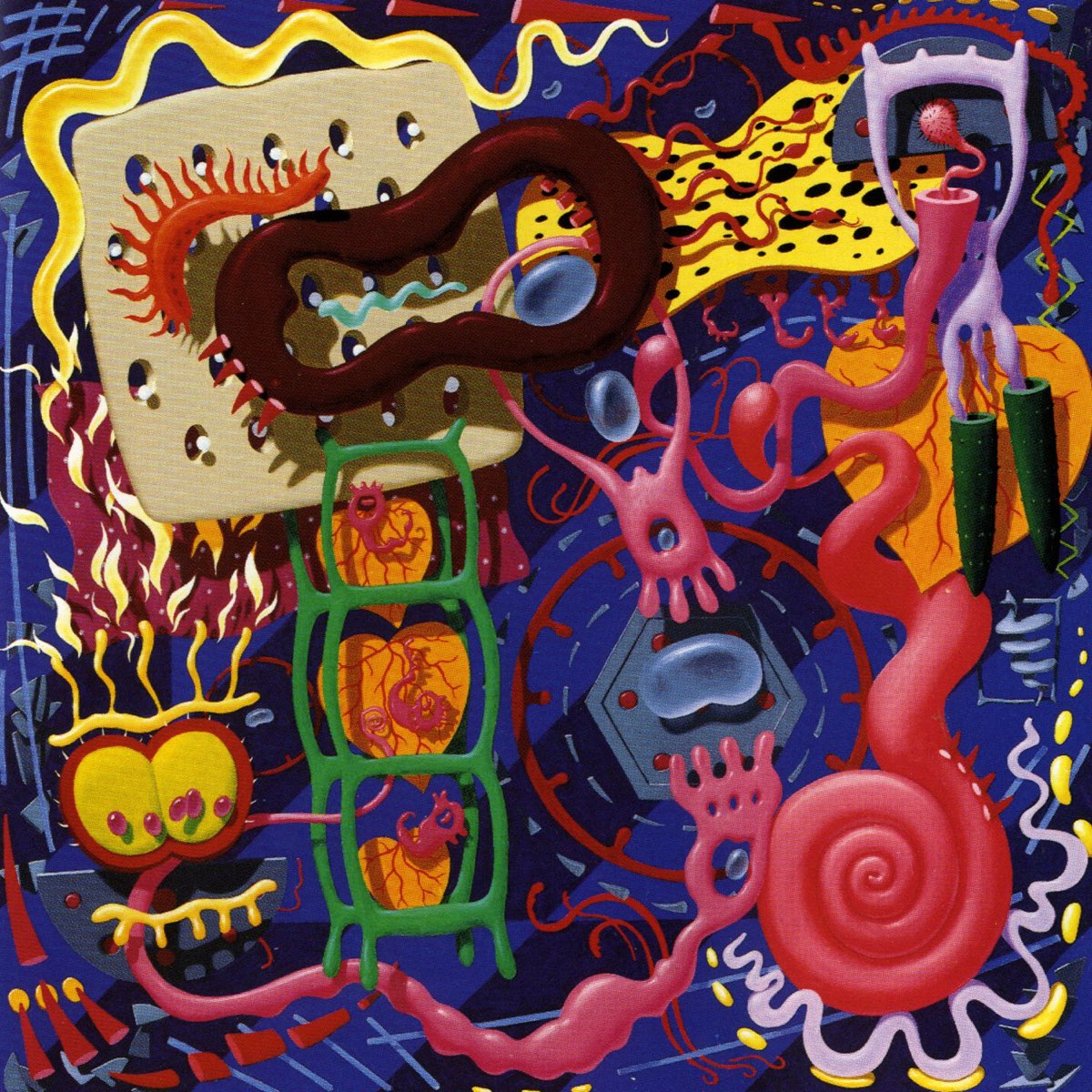
A more varied and occasionally abrasive record, with sampled and spoken voices woven through tightly programmed electronics. Are We Here? and Sad But True are among its better-known pieces.
1996: In Sides

Long-form arrangements become central here. The Girl with the Sun in Her Head, The Box and the two-part Out There Somewhere? move between restless rhythmic programming and sustained atmospheric passages.
1999: The Middle of Nowhere

An increasingly busy, colourful sound, with densely layered synth patterns and shifting rhythms. Style offers a relatively direct starting point.
2001: The Altogether

A more eclectic album, incorporating guest contributions and contrasting musical approaches. Funny Break (One Is Enough) is one of its best-known tracks.
2004: Blue Album

The duo’s seventh studio album was initially presented as a farewell release. One Perfect Sunrise became a prominent track from this period.
2012: Wonky

Released after the duo reunited, Wonky combines brisk rhythmic programming with the recognisable melodic shapes of their earlier work. Tracks include New France and Wonky.
2018: Monsters Exist

An album combining spacious electronics, insistent sequences and more expansive arrangements. Phuk and Tiny Foldable Cities are useful starting points.
2023: Optical Delusion

A later-period album that reconnects Orbital’s melodic electronic sound with contemporary collaborations, including Dirty Rat with Sleaford Mods and Ringa Ringa (The Old Pandemic Folk Song) featuring The Mediaeval Baebes.
What about the Green and Brown Albums?
Orbital’s first two albums are both officially titled Orbital. Fans generally distinguish them by the dominant cover colours: the 1991 Green Album and the 1993 Brown Album. Reissues sometimes use these informal names explicitly.
Are there other Orbital albums?
Yes. The studio sequence above does not include compilations such as Work 1989–2002, Orbital 20 and A Beginner’s Guide; reinterpretations and anniversary releases such as 30 Something; or live albums. The archival live release Glastonbury 1994, issued in September 2026, is not an additional studio album.
Where should you start?
For a first listen, Orbital 2 and In Sides demonstrate how the duo build extended musical ideas; the Green Album makes a good starting point for the early rave material. Read our guide to the best Orbital albums for new listeners for a more detailed route.
Orbital CDs: selected editions
Affiliate disclosure: As an Amazon Associate, we earn from qualifying purchases. These links identify specific CD editions, though availability may change.
Brown Album (2025 expanded 2CD) · In Sides (UK CD) · Wonky (UK CD) · Green Album (2024 double CD, official store)
More Orbital on Frequency State
Read our existing feature on three iconic Orbital albums: the Green Album, Snivilisation and In Sides, which explores three key records in more detail.