Introduction
Ambient music is a form of music that emphasises atmosphere, tone, and space over traditional structure and rhythm.
It developed through a combination of technological innovation and experimental approaches to composition, particularly within electronic and studio-based music.
Early Influences
The foundations of ambient music can be traced to 20th-century experimental and minimalist composers.
Key developments included:
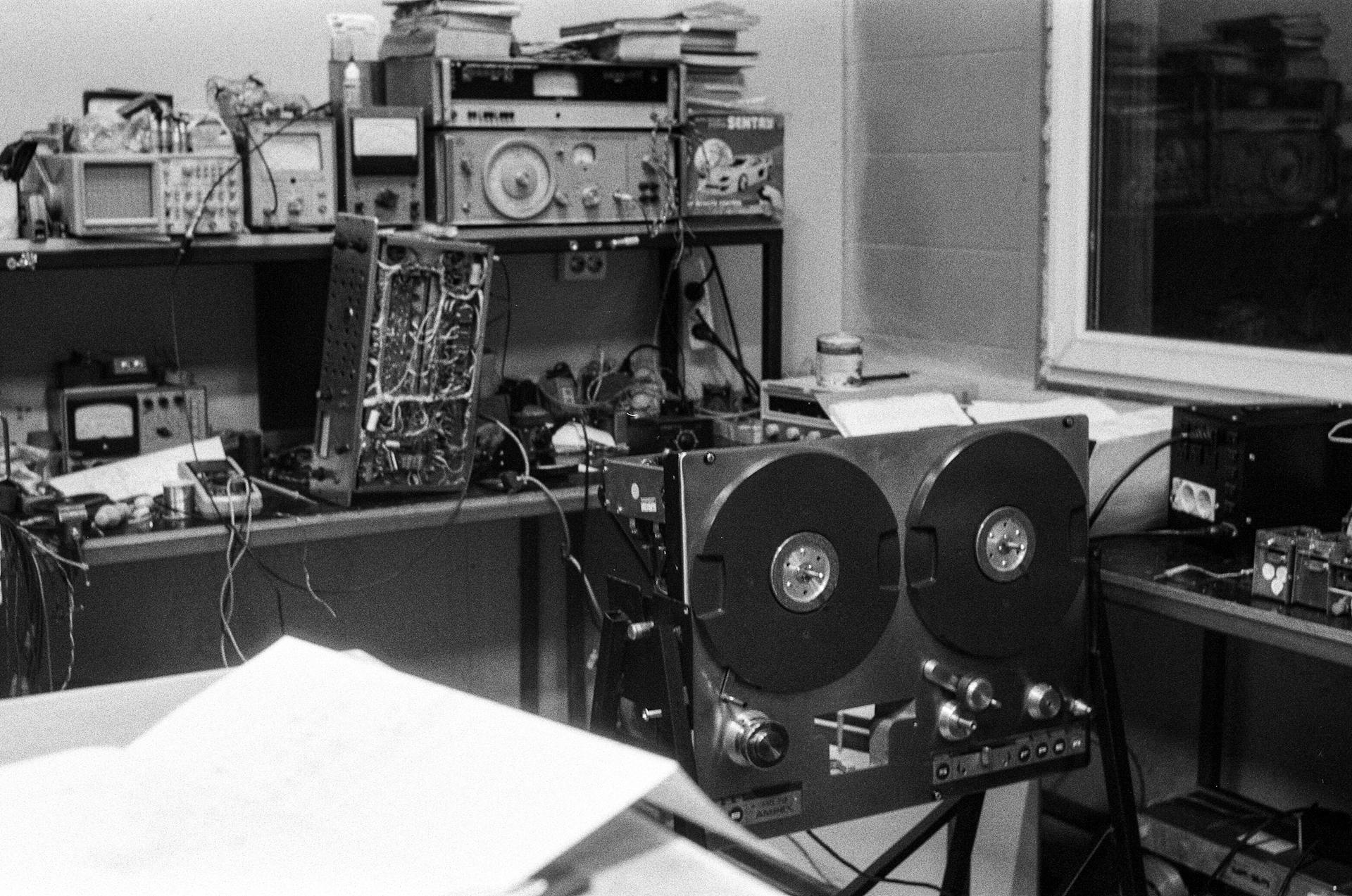
- tape music and musique concrète
- early electronic composition
- minimalist approaches to repetition and duration
Figures such as Karlheinz Stockhausen explored electronic sound and spatial composition, influencing later generations of electronic musicians.
At the same time, composers like Erik Satie introduced the idea of “furniture music”, designed to exist in the background rather than as a focal point.
The Emergence of Ambient Music
Ambient music became more clearly defined in the 1970s, particularly through the work of Brian Eno.
Eno described ambient music as:
music that can be “as ignorable as it is interesting”
His album Music for Airports (1978) is often cited as a key reference point in the development of the genre.
This work established several core ideas:
- music as environment rather than performance
- slow, evolving structures
- an emphasis on tone and texture
The Role of Technology
Ambient music is closely linked to developments in music technology.
Tape and Studio Techniques
Early ambient works relied on:
- tape loops
- delay systems
- analogue processing
Techniques such as phase music extended this idea further, using repeated patterns that gradually shift out of sync to create subtle rhythmic and textural change. This approach, associated with composers such as Steve Reich, influenced later ambient and electronic music by demonstrating how complexity can emerge from simple, repeating material.
Synthesizers
The introduction of affordable synthesizers enabled musicians to:
- generate sustained tones (pads and drones)
- shape sound using filters and modulation
- create textures not possible with acoustic instruments
Digital Technology and DAWs
With the rise of digital audio and DAWs, ambient production became more accessible.
Artists could now:
- layer multiple sounds easily
- apply complex effects
- automate gradual changes over time
Modern ambient music often combines MIDI sequencing with audio processing to create evolving soundscapes.
Expansion of the Genre
From the 1980s onwards, ambient music expanded into a wide range of styles.
These include:
- ambient techno
- dark ambient
- drone
- cinematic and soundtrack-based ambient
Artists such as Aphex Twin, The Orb, and Boards of Canada developed different approaches to ambient sound, often combining it with rhythm, sampling, and experimental production techniques.
Ambient Music Today
Ambient music continues to evolve, shaped by:
- software-based production
- modular synthesis
- field recording and environmental sound
- algorithmic and generative techniques
It is widely used in:
- film and television
- games and interactive media
- installations and sound art
The genre remains open-ended, with no fixed structure or rules.
Why Ambient Music Matters
Ambient music is significant because it:
- challenges traditional ideas of musical structure
- emphasises listening and perception
- explores sound as an environment
It also provides a framework for understanding:
- texture
- space
- long-form development
These are central concepts in modern music production.
Listening: Ambient Music Playlist
This playlist features a selection of ambient and related electronic music, covering a range of styles from minimal and atmospheric to more structured and cinematic approaches.
It can be used as a reference point for the ideas discussed above, particularly in relation to texture, space, and long-form development. Tracks are updated periodically as new material is discovered. Submit your music for consideration.
Related Topics
- What is Sound?
- What is a Waveform?
- What is a Synthesiser? (future)
- Reverb Explained (future)
- Ambient Music Techniques (future)
This article is part of the Music Production Reference Library, organised into volumes covering sound, theory, production, and release.